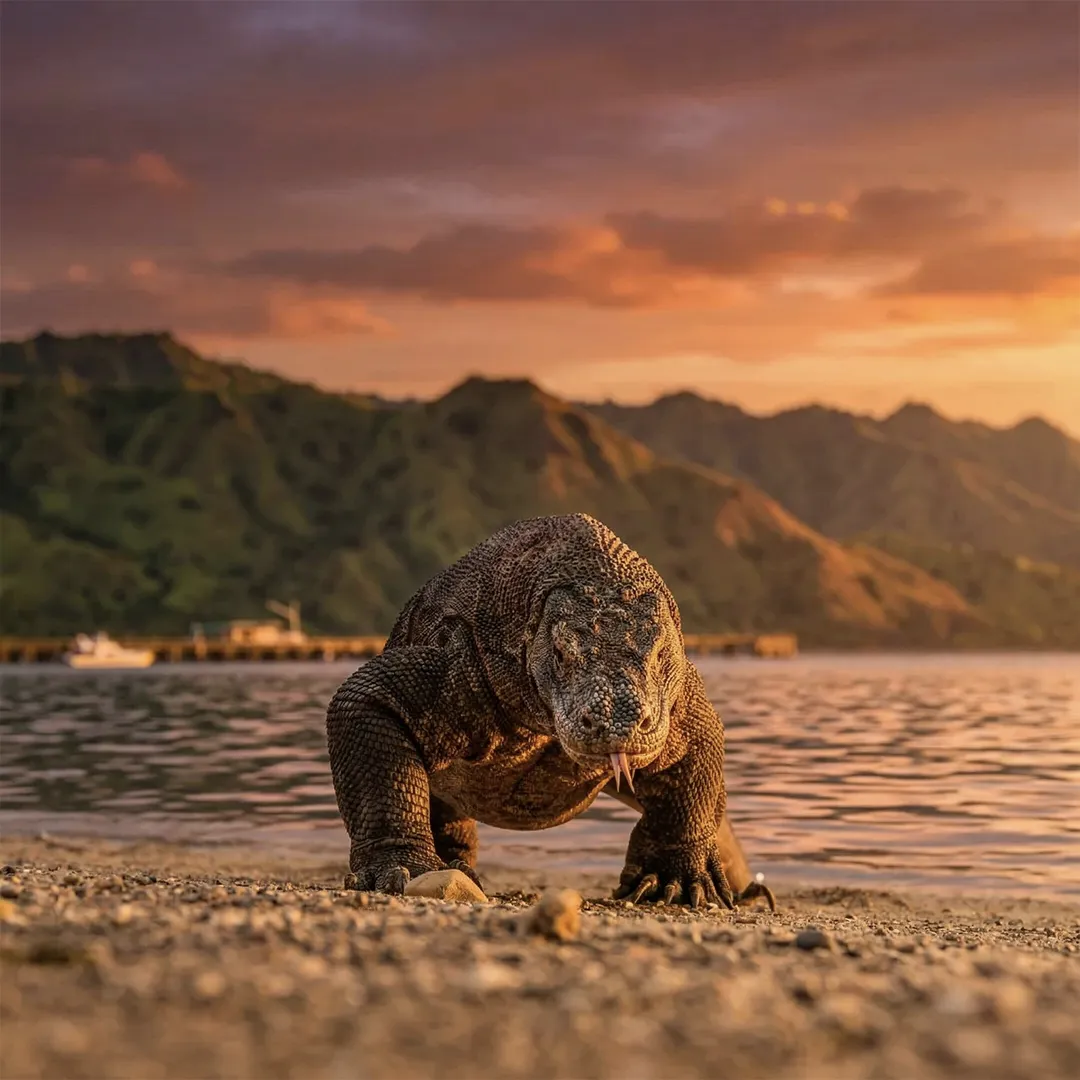
Crews we employ
Captains, guides and chefs who work the same waters all season — not freelancers assembled the night before a departure. They answer to the operator, not to a booking agent.
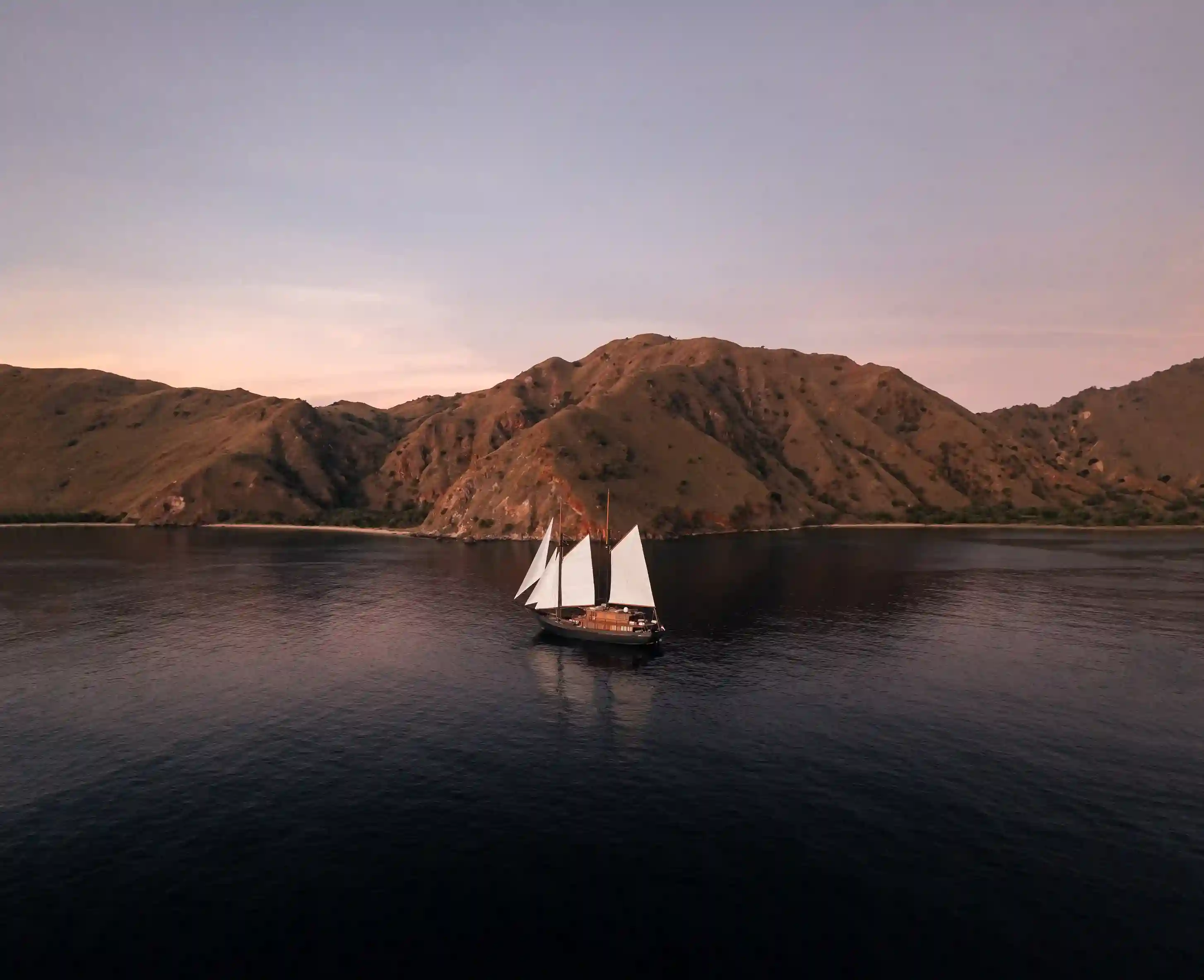
Trust · Operated, not resold
Nine vessels we maintain and crew ourselves, weather calls made centrally across the fleet, and equipment checked before each departure rather than assumed.
Ask us anythingEvery voyage runs on a vessel our sister company Komodo Luxury owns or has separately vetted, with crews it employs rather than contracts in for the season.
How it actually works
The distinction is not marketing. It decides who answers when something needs deciding at sea.
Captains, guides and chefs who work the same waters all season — not freelancers assembled the night before a departure. They answer to the operator, not to a booking agent.
Komodo is a current destination. Sites are chosen against the tide table on the morning, by people who have run these passages in every season.
Navigation electronics, life equipment and tenders inspected before each sailing rather than assumed between them.
Route and go/no-go decisions are made across the fleet rather than boat by boat, which is why a vessel can be swapped when the forecast argues for it.
Eight to fifteen hands on a luxury phinisi rather than the four or five a standard boat sails with — the difference shows when anything needs two people at once.
Fresh from the Labuan Bajo market on the day, with dietary notes taken at planning rather than discovered at the first dinner.
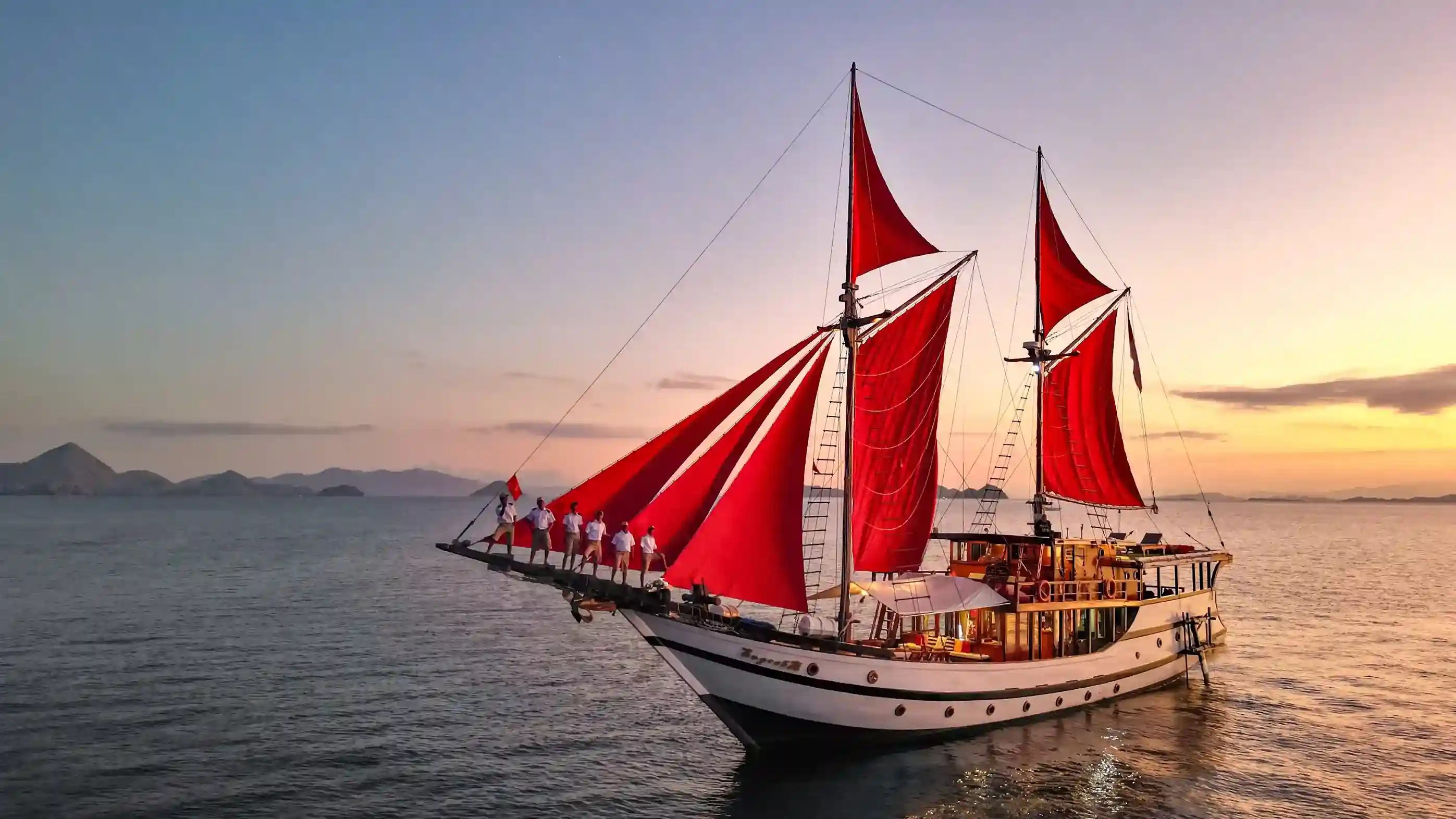
Nine vessels are owned outright. Beyond those, a separately vetted network of more than 200 partner boats covers dates and group sizes the owned fleet cannot.
Partner vessels are always labelled as partner vessels on your quote. You are told which hull you are getting and who operates it before you pay anything — the thing an agency reselling a boat it has never boarded cannot tell you.
If a boat does not meet the standard we would put our own guests on, it does not go on the list. That is the whole mechanism, and it is worth more than a badge.
Which vessel am I actually on?
What safety equipment does it carry?
What insurance applies?
What happens in bad weather?
What medical cover is there on board?
We would rather you asked these and got a specific written answer for your vessel and dates than took a general assurance from any operator, including this one. Travel insurance with medical and evacuation cover is your own responsibility and we strongly recommend it for every voyage.
Tell us your vessel, your dates and what you want to know. You will get a written answer about that boat rather than a general assurance.