
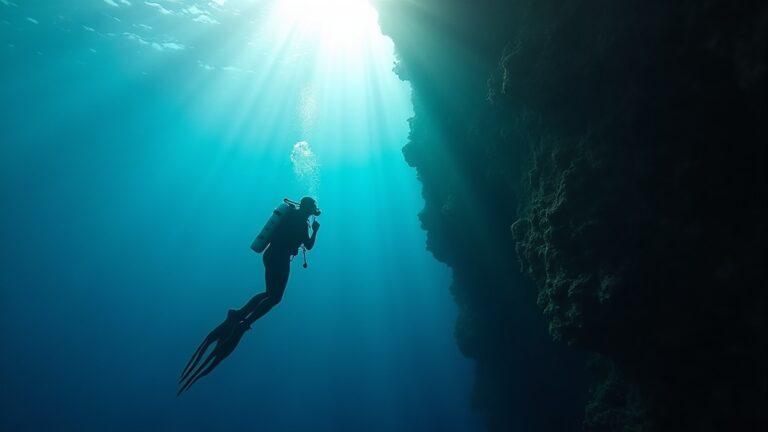
Alor & Maumere Diving: Muck, Walls and Whale Migrations
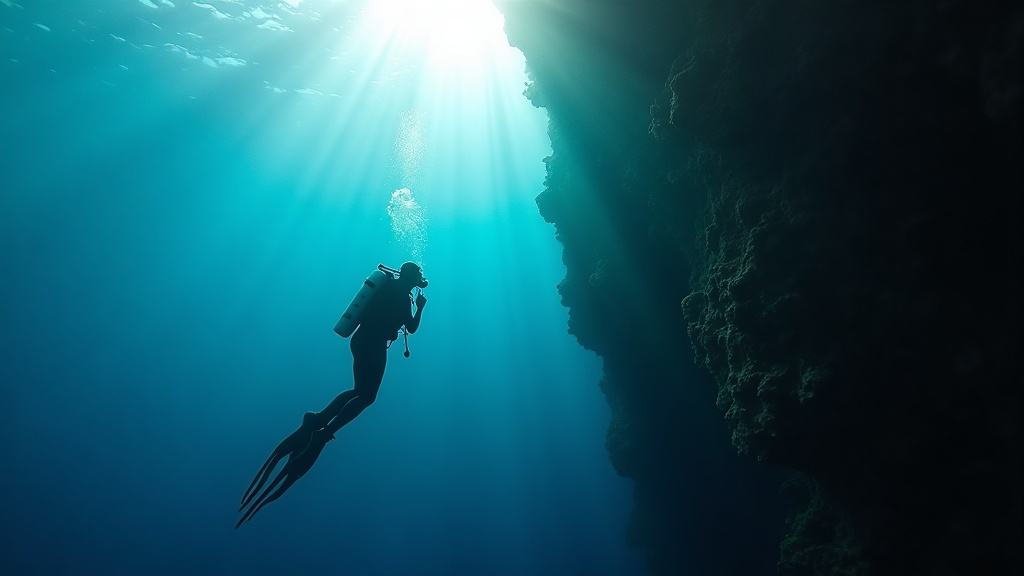
Alor and Maumere anchor the far east of the Flores Sea — some of Indonesia’s finest diving, reached by only a handful of boats. Alor delivers current-swept walls and world-class muck in the Pantar Strait; Maumere offers a quiet, recovering bay and black-sand critter coast around Wodong; and between them, whales cross the deep straits.
Alor Diving: Walls, Seamounts and the Pantar Strait
Alor diving concentrates on the Pantar Strait, the deep channel between Alor and Pantar islands at the eastern end of the Flores Sea. Nutrient-rich water pushed up from the Ombai Strait feeds vertical walls, current-swept seamounts and reefs of unusual density.
Dive professionals mention Alor in the same breath as Lembeh and Raja Ampat, and the strait is why. Kal’s Dream, the legendary seamount, is dived on the tide window for schooling fish and passing pelagics; The Arch is a soft-coral swim-through where the strait runs clear; Clown Valley holds some of the densest anemone carpets recorded anywhere; and the sheer reef walls along Pantar’s flanks drop straight into blue. Water averages around 27°C, with noticeably cooler upwellings in the south — most divers bring a 5mm suit. The seamounts reward experience; the bays balance them with calm, easy days.
| Site | Area | Type | Known for |
|---|---|---|---|
| Kal’s Dream | Pantar Strait | Seamount | Tide-window dives, schooling fish, pelagics |
| Clown Valley | Pantar Strait | Reef slope | Anemone carpets among the densest anywhere |
| The Arch | Pantar Strait | Swim-through | Soft coral structure in clear water |
| Mucky Mosque | Kalabahi Bay, Alor | Muck | Rhinopias, frogfish, nudibranchs |
| Pertamina Jetty | Kalabahi Bay, Alor | Jetty muck | Decades of critter life under the pylons |
| Beangabang | Pantar east coast | Muck | Remote black-sand bay, purest muck on the route |
| Waiara reefs | Maumere Bay | Reef | Gentle house reefs, ideal warm-up dives |
| Babi Island | Maumere Bay | Wall | Outer-bay walls and channels |
| Wair Terang wreck | Wodong coast | Wreck / muck | Small Japanese wartime wreck in the shallows |
Alor Muck Diving: Kalabahi Bay and Beangabang
The best Alor muck sits at the two ends of the strait — Kalabahi Bay’s calm black sand and Beangabang’s remote bay on Pantar’s east coast. Both are sheltered, patient, shallow dives built for macro photographers.
Mucky Mosque is the classic: rhinopias, frogfish and nudibranchs picked out of dark sand while the call to prayer drifts over the water. A few minutes away, the pylons of Pertamina Jetty shelter critter life accumulated over decades. Beangabang, reachable only by boat, is the route’s purest muck dive — no jetty, no village traffic, just a black-sand slope that keeps producing. The same cool, rich water that feeds the strait’s walls is what makes these bays so dense; slow down, shorten your kicks, and let the guides’ eyes work.
Alor vs Komodo Diving: An Honest Comparison
Komodo is big-animal, big-current reef diving inside a busy national park; Alor is muck-plus-walls in a remote strait with almost no other boats. Neither is better — they answer different briefs.
| Komodo | Alor | |
|---|---|---|
| Signature | Manta rays, current-swept pinnacles | Muck critters, walls, anemone fields |
| Access | Daily boats from Labuan Bajo | Liveaboard from Maumere, or flights via Kupang |
| Boat traffic | The busiest waters in Indonesia’s east | A handful of dive boats in season |
| Park fees | Komodo National Park: IDR 650.000 per person (dated ticket) | No central park ticket; small local fees handled by your crew |
| Water | Warm north, cooler southern sites | Around 27°C, cooler southern upwellings |
| Best suited to | All levels with good guiding | Happiest with some experience; muck bays are forgiving |
If your logbook is young or mantas are the dream, start with Komodo diving — the sites are closer together, the guiding infrastructure is deeper, and the big-animal payoff is more reliable. If you have already done Komodo, Alor is the natural next chapter: fewer boats, stranger creatures, and briefings written around the day’s tide rather than a queue of other groups.
Planning a season around both? Share your dates on WhatsApp at +62 811 3823 875 or email [email protected] and we will map the two into one itinerary, with a tailored quote within 24 hours.
Maumere Diving: The Bay That Came Back
Maumere Bay was Indonesia’s flagship dive destination in the 1980s, then lost much of its reef to the December 1992 earthquake and tsunami. Three decades on, its recovery is one of Indonesian diving’s quiet good-news stories.
The Waiara house reefs make easy, gentle first days; Babi Island and the outer bay bring walls and channels with barely another diver on them. Conditions are calmer than either Komodo or the Pantar Strait, which is exactly why we use Maumere as the warm-up end of an eastbound voyage — check dives, camera trim and long, unhurried bottom time before the strait’s currents. The town itself is the gateway to the east: daily flights connect via Bali, and overland travelers arrive on the final day of the luxury Trans-Flores journey from Labuan Bajo, stepping off the road and onto the water.
Wodong and the Muck Coast East of Maumere
Wodong, a fishing village about half an hour east of Maumere, fronts a string of black-sand bays that quietly rival better-known muck coasts. A small Japanese wartime wreck lies within recreational range off Wair Terang.
The muck here is shore-entry simple: seahorses, frogfish and ghost pipefish on dark volcanic sand, in water calm enough for long, slow dives. The wreck adds structure and fish life to the same easy profile. Almost nobody comes — Wodong sees fewer divers in a year than Komodo’s mooring lines see in a week — so a day or two here folds naturally into any Maumere stay before the boat sails east.
Snorkeling in Maumere and the Sheltered Bays
Maumere snorkeling is genuinely good rather than a consolation prize: shallow, healthy reef tops in calm, clear water. In Alor, snorkelers do their best work in Kalabahi Bay and Beangabang while divers work the deeper walls.
That split is what makes the east work for mixed groups. Snorkelers float the Waiara reefs and the bay islands from the surface; divers add depth on the same sites; and everyone shares the crossings, the villages and the deck. The one firm rule is that the strait’s seamounts — Kal’s Dream above all — belong to experienced divers on the right tide, and our crews plan the day so nobody is ever parked in current.
When the Whales Pass
The Ombai Strait and the Savu Sea beyond form a known migration corridor for blue whales and sperm whales. The prime watching window is the calm of October–November, with a second chance in the April–May inter-monsoon.
Crews watch for blows on every open-water crossing, and the deep channels either side of Alor are where the sightings happen. The wider season frames everything else: the east sails from late April into November, the dry-season trades of June–September bring the cool, rich upwellings that feed both the reefs and the muck, and the two calm windows give the glassiest crossings. A sighting is a privilege, never a promise — but this is one of the few dive routes on earth where the promise is even worth making.
Diving It All in One Voyage
The cleanest way to dive everything on this page is a one-way voyage east: board in Maumere Bay, finish in Kalabahi. Seven to ten nights covers the bay, the Wodong coast, the crossings and three full days in the Pantar Strait.
Our Maumere to Alor liveaboard page maps the route in full — boats, day-by-day itinerary, charter formats and dates. East voyages are planned by the same team behind our sister company Komodo Luxury — a fleet of 9 owned vessels and a network of 200+ partner boats, rated 4.9/5 by 1,500+ verified guests and named Tripadvisor Travelers’ Choice 2025 & 2026. Tell us your certification level, your camera setup and your dates on WhatsApp at +62 811 3823 875 or by email at [email protected], and you will have a tailored quote within 24 hours.
Frequently Asked Questions
Is Alor diving suitable for beginners?
The muck bays — Kalabahi Bay, Beangabang and the jetty sites — are calm, shallow and forgiving, so newer divers do well there. The strait's seamounts, led by Kal's Dream, run real current and are planned on tide windows for experienced divers. Guides split the day so both levels dive well.
What is muck diving in Alor actually like?
Slow, shallow dives over black volcanic sand in calm water, hunting small and strange rather than big and fast: rhinopias, frogfish and nudibranchs at Mucky Mosque, decades of critter life under Pertamina Jetty, and the remote black-sand slope of Beangabang on Pantar's east coast.
How do I get to Maumere and Alor?
Maumere connects by daily flights via Bali, and Alor's Mali airport connects via Kupang. Most divers do the two as a one-way liveaboard — fly into Maumere, sail east, and fly home from Alor via Kupang — or arrive in Maumere overland on the Trans-Flores route from Labuan Bajo.
When can you see whales between Maumere and Alor?
The Ombai Strait and Savu Sea are a known migration corridor for blue whales and sperm whales. October–November is the prime window, with a second calm period in April–May; crews watch for blows on every open-water crossing. Sightings are a privilege of the route, never a guarantee.
Which is better, Alor or Komodo diving?
They answer different briefs. Komodo means manta rays, current pinnacles and easy daily access from Labuan Bajo, with a dated Komodo National Park ticket of IDR 650.000 per person. Alor means muck, walls and anemone fields in a remote strait with almost no other boats. Many divers do Komodo first and Alor as the next chapter.
How much does diving in Alor and Maumere cost?
Published 2025–2026 rates from scheduled operators sailing Alor and the east Flores Sea generally run USD 280–400 per person per day, based on market research. Private whole-boat charters are priced per boat per night. Send your dates to WhatsApp +62 811 3823 875 or [email protected] for a tailored quote within 24 hours.
Keep Reading
Uncategorized
Flores to Komodo Route Planning: Luxury Charter Guide 2026
The most efficient luxury route into Komodo runs through Labuan Bajo's Komodo Airport: fly in via Jakarta or Bali, sleep…
Uncategorized
Honeymoon in Flores & Komodo: Private and Secluded
A honeymoon in Flores and Komodo means a private phinisi with its own crew and chef, empty pink-sand beaches, Komodo…
Uncategorized
Getting to Labuan Bajo from Bali, Jakarta & Beyond
The fastest way to get to Labuan Bajo is a direct flight into Komodo Airport: about 90 minutes from Bali,…