

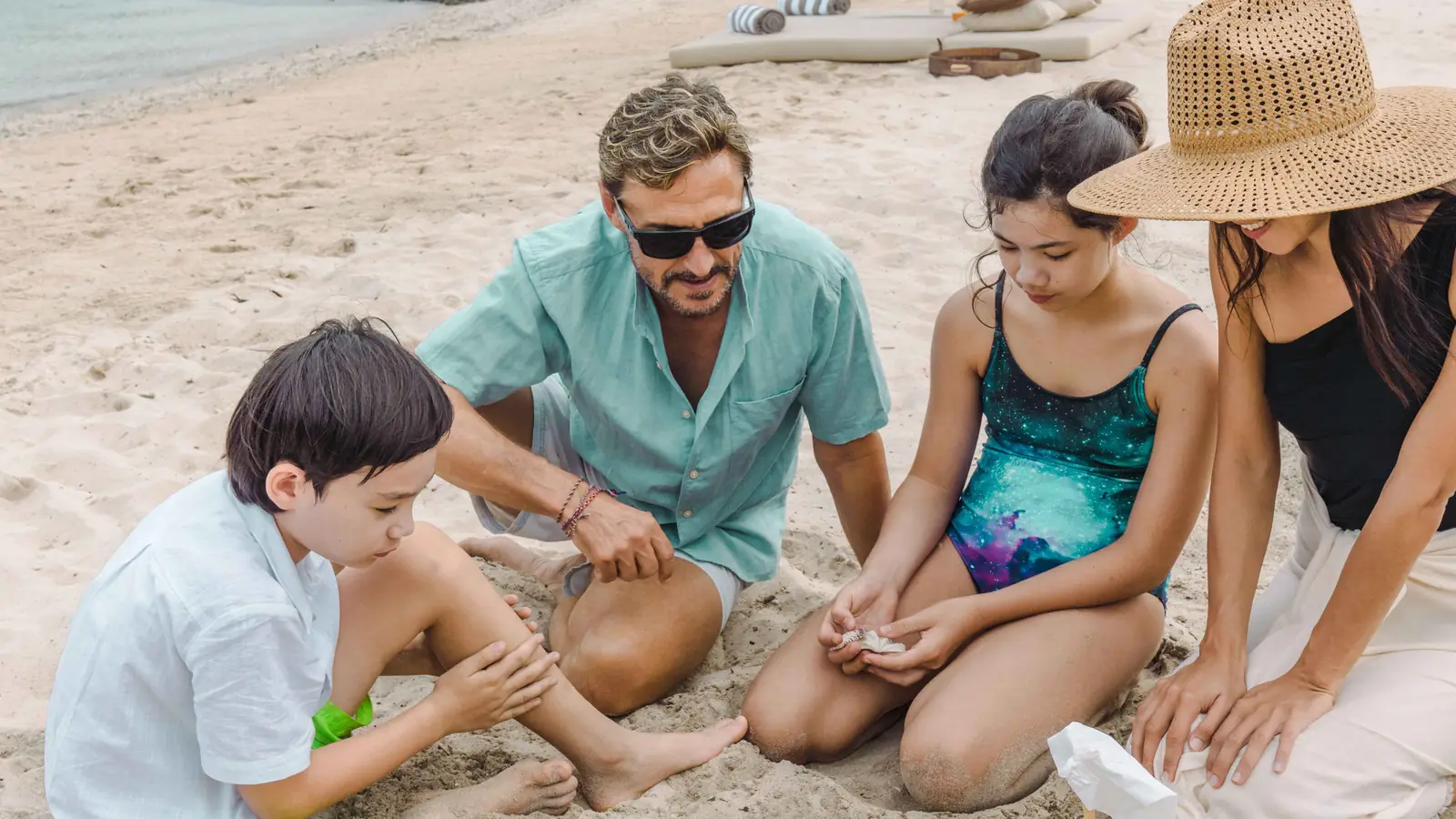
- Calm Seas: Ideal for private phinisi charters and seamless sailing through the Komodo archipelago.
- Maximum Visibility: Guarantees superb diving and snorkeling conditions, with water clarity often exceeding 30 meters.
- Clear Skies: Perfect for land-based excursions, from trekking Mount Kelimutu to exploring remote villages.
The air is warm and carries the faint, sweet scent of frangipani mixed with the clean tang of salt. Below your feet, the teak deck of a custom-built phinisi schooner hums with a quiet power as it slices through water the color of liquid sapphire. Volcanic islands, cloaked in shades of sun-scorched savanna and deep emerald, rise from the sea on all sides. This is the immersive reality of Flores, an archipelago where timing isn’t just a detail—it’s the very foundation of an extraordinary adventure. As your personal editors in luxury travel, we’ve consulted with local skippers, dive masters, and resort managers to distill the precise moments when a trip to this Indonesian frontier transforms from a mere vacation into a masterpiece of exploration.
Decoding Flores’ Seasons: The Dry Season Reign (April – October)
For those curating a seamless, high-end Flores experience, the dry season is the undisputed champion. Spanning from April through October, this period offers a near-perfect confluence of favorable weather patterns that access every facet of the archipelago. Statistically, these months see rainfall plummet to less than 50mm per month, a stark contrast to the 200mm+ deluges of January. Daily temperatures hover in a comfortable 27-30°C range, with lower humidity creating a pleasant atmosphere for both relaxation and activity. For the luxury traveler, this translates directly to tangible benefits. Your days on a private yacht charter are marked by placid seas, allowing for effortless passage to remote coves and undisturbed anchorages. Onshore, the trails are firm underfoot, whether you’re seeking out the famed Komodo dragons or venturing into the highlands. I recently spoke with Isabella Chen, a luxury travel curator who specializes in Indonesian itineraries, and she emphasized, “For my clients, predictability is paramount. The dry season removes the weather variable, ensuring that helicopter transfers, private beach setups, and intricate diving schedules proceed without a hitch.” This is the time when Flores truly performs, offering up to 28 days of uninterrupted sunshine per month and underwater visibility that can reach an astonishing 40 meters in certain areas. Planning your journey during this window is the first step in crafting an impeccable itinerary, a core principle we explore in The Flores Luxury Guide to Flores Luxury.
The Peak of Perfection: High Season Nuances (July – August)
Within the broader dry season, the months of July and August represent the absolute apex—the high season. This is when Flores is at its most vibrant and the conditions are, by every measure, flawless. The southeast trade winds are consistent, providing excellent sailing, and the ocean currents create nutrient-rich upwellings that attract immense marine biodiversity. This is the prime time for encountering oceanic manta rays, with large congregations often seen at cleaning stations like Manta Point. However, this perfection comes with a caveat: popularity. Labuan Bajo, the gateway port, bustles with activity, and the most sought-after private charters and exclusive suites at resorts like AYANA Komodo are often booked 12 to 18 months in advance. “July is our busiest month, without question,” a contact at a leading phinisi operator told me. “We see a 20-30% premium on our charter rates, and availability is zero for last-minute inquiries.” This is not a time for spontaneity but for meticulous, forward-looking planning. The atmosphere is electric, but for the traveler seeking true solitude, it requires a more strategic approach—leveraging the flexibility of a private vessel to explore the lesser-known islands north of Komodo, far from the well-trodden day-trip circuits. Understanding the financial implications of this peak demand is crucial, and a detailed breakdown of Flores Luxury Costs & What to Budget can help set realistic expectations for a high-season expedition.
The Shoulder Seasons: A Connoisseur’s Choice (April-June & September-October)
For the seasoned traveler, the true magic of Flores can often be found in the shoulder months that bracket the high season. The periods of April to June and September to October offer a compelling blend of excellent weather, fewer fellow travelers, and a unique character. In April and May, the islands are still radiantly green from the remnants of the wet season, creating a visually dramatic contrast against the turquoise sea. This is arguably the most photogenic time to visit, with landscapes that are lush and full of life. Conversely, September and October see the islands transition to a golden, savanna-like state, a stark and beautiful environment that highlights the rugged topography. From a practical standpoint, these months are a strategist’s dream. Visitor numbers can be 30-50% lower than in August, meaning more spontaneous anchorage choices and a greater sense of private discovery. While the weather remains predominantly dry and sunny, you gain a significant advantage in availability and sometimes value. It’s a time when you can secure a world-class liveaboard with perhaps six months’ notice instead of a year. According to official Indonesian tourism data, these months still boast over 85% of the sunshine hours of the peak season. This is the insider’s window, a time for those who prize serenity over peak-season buzz. Effectively organizing a trip during this period offers the best of all worlds, a topic we cover in our guide to Plan Your Flores Luxury | Flores Luxury.
Understanding the Wet Season: A Calculated Venture (November – March)
The wet season, from November to March, is often dismissed by guidebooks, but for a certain type of luxury adventurer, it holds a unique and calculated appeal. This is not the time for a first-time visitor with a fixed checklist. Instead, it’s for the traveler who has seen the sun-scorched savanna and now wishes to experience the islands in their most dramatic, emerald-hued state. The weather is characterized by higher humidity and afternoon downpours, which are often intense but brief, followed by clear, crisp air. The primary challenge is the sea state; the waters, particularly in January and February, can be rough, leading to potential itinerary changes or cancellations for sea-based activities. However, the rewards can be substantial. The landscapes are transformed into a verdant paradise, waterfalls cascade with full force, and the lack of crowds provides an unparalleled sense of exclusivity. Some high-end phinisi operators offer significant discounts of up to 40% during this period. For land-based luxury, this can be an excellent time to settle into a private villa and focus on the cultural heart of Flores, away from the coast. It’s a time for exploring the interior, visiting traditional villages, and witnessing the island’s powerful natural cycles. It’s important to note that while the Komodo National Park remains open, accessibility to certain exposed dive sites or trekking routes may be limited by the harbormaster for safety reasons.
Timing Your Adventure: Activity-Specific Considerations
A truly bespoke flores luxury journey is one that aligns the calendar with your specific passions. The “best” time to visit is not a monolith; it’s a matrix of opportunities. For the avid diver, the period from June to September is non-negotiable for its combination of calm seas and peak megafauna sightings, especially the large aggregations of manta rays. If your primary goal is to witness the tri-colored lakes of Mount Kelimutu, a 1,639-meter volcano in central Flores, the heart of the dry season (July-August) is essential. A pre-dawn trek during these months almost guarantees a clear sunrise, revealing the lakes’ mystical hues without the obstruction of clouds that often shroud the peak during wetter times. For those focused on cultural immersion, such as the multi-day trek to the remote village of Wae Rebo, the shoulder months of May or October are ideal. These periods allow you to navigate the challenging 3-4 hour trail without the oppressive mud of the wet season or the higher foot traffic of the peak season. Even Komodo dragon viewings have their nuances. While the dragons are visible year-round, their mating season in July and August often leads to more dynamic behavior and dramatic territorial disputes, offering a more compelling spectacle for wildlife enthusiasts on the islands of Rinca and Komodo, as confirmed by guides from the official Indonesian tourism board.
Quick FAQ: Your Flores Timing Questions Answered
Q: Is Flores overwhelmingly crowded during the high season?
A: The main hub of Labuan Bajo and the most famous sites within Komodo National Park (like Padar Island and Pink Beach) do experience a significant influx of visitors in July and August. However, the essence of a luxury experience is circumvention. A private charter allows you to visit these sites at off-peak hours or, better yet, explore equally magnificent but lesser-known islands that are inaccessible to larger group tours.
Q: What is the water temperature for diving and snorkeling?
A: The water temperature in the Flores Sea is remarkably consistent, typically ranging from a very comfortable 27-29°C (80-84°F). However, the channels and straits around Komodo can experience strong currents and upwellings, particularly in the south, which can occasionally drop the temperature to a cooler 24-25°C (75-77°F). A 3mm wetsuit is sufficient for most people year-round.
Q: Can I still see manta rays if I travel outside the peak June-August window?
A: Yes. While the largest congregations are typically seen during the peak dry season, reef manta rays are resident to the Komodo region year-round. Sightings are still very common in the shoulder months, and a knowledgeable dive guide and private boat captain can take you to the most reliable cleaning stations based on the specific tides and conditions during your visit.
Q: How far in advance should I book a top-tier phinisi charter?
A: For the most renowned vessels—those with exceptional service, amenities, and crews—booking well in advance is critical. For a high-season charter (July-August), we strongly recommend securing your booking 12-18 months prior. For the shoulder season, 6-9 months is advisable. This ensures you not only get a vessel but get the *right* vessel for your party’s size and style.
Ultimately, the best time for a luxury Flores holiday is a personal calculation, a balance between perfect weather, your appetite for adventure, and your desire for solitude. The dry season offers a flawless canvas, while the shoulder and even wet seasons provide unique palettes for the intrepid and the return visitor. The constant, however, is the need for expert orchestration to discover the archipelago’s most exclusive experiences. Whether you dream of gliding across glassy seas in May or diving into the vibrant heart of the action in August, the journey begins with intelligent planning. Let us help you compose your personal flores luxury masterpiece. Explore our curated itineraries and connect with our specialists to begin designing your expedition.
Keep Reading
Uncategorized
Flores to Komodo Route Planning: Luxury Charter Guide 2026
The most efficient luxury route into Komodo runs through Labuan Bajo's Komodo Airport: fly in via Jakarta or Bali, sleep…
Uncategorized
Honeymoon in Flores & Komodo: Private and Secluded
A honeymoon in Flores and Komodo means a private phinisi with its own crew and chef, empty pink-sand beaches, Komodo…
Uncategorized
Getting to Labuan Bajo from Bali, Jakarta & Beyond
The fastest way to get to Labuan Bajo is a direct flight into Komodo Airport: about 90 minutes from Bali,…