
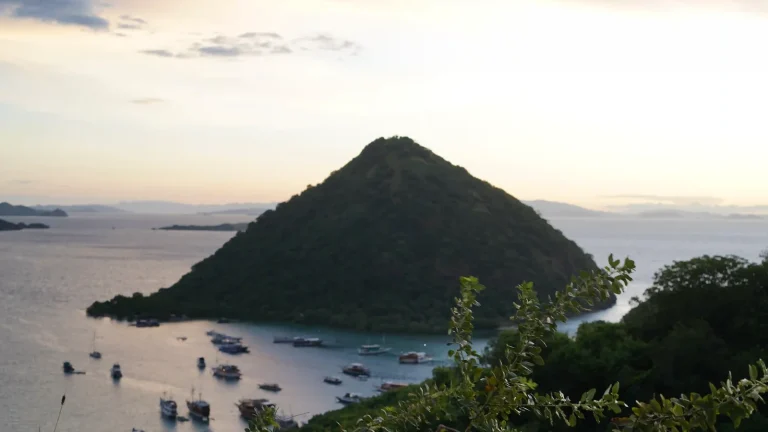
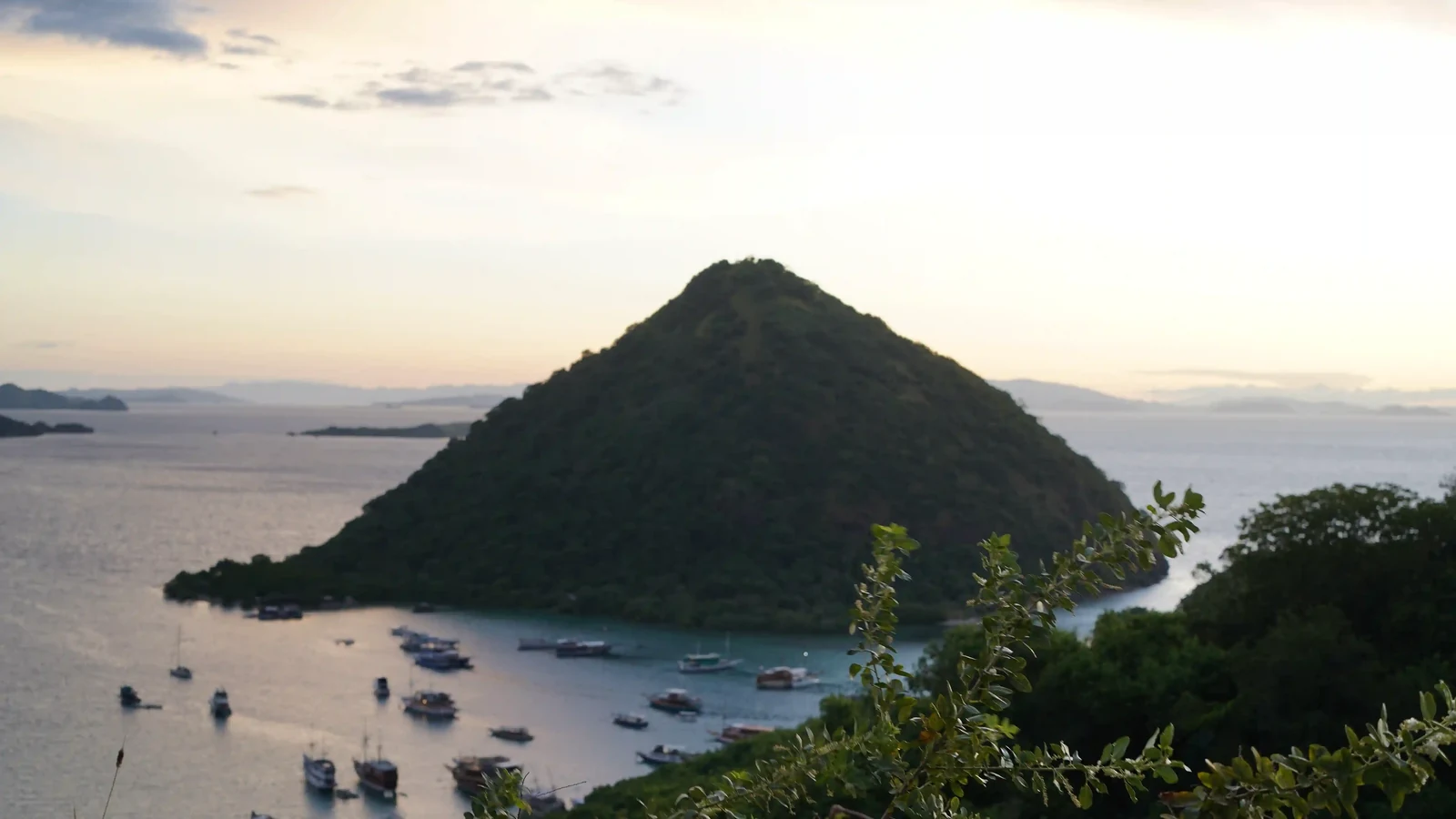
The East Nusa Tenggara sun illuminates Flores, a land where volcanic peaks meet turquoise waters. The air carries the scent of salt and distant earth, a prelude to an island experience defined by its seasonal rhythms. Discerning travelers understand that the precise timing of a visit dictates the clarity of the water for a Pink Beach snorkeling trip, the visibility on a Padar Island sunrise hike, and the overall comfort of an overland route from Labuan Bajo to Maumere. This guide outlines the precise windows for an unparalleled Flores luxury journey.
The Dry Season Apex: June to September
The period from June to September represents the zenith for Flores luxury travel. During these months, the prevailing southeast monsoon brings minimal rainfall and consistently clear skies across Flores Island. This 360-kilometer-long island benefits from stable weather conditions, crucial for both maritime and terrestrial excursions. Private Komodo charters navigate calm waters, offering optimal conditions for exploring Komodo National Park, which covers approximately 1,733 square kilometers of land and sea. Visibility for diving and snorkeling around Komodo Island is at its peak, enhancing encounters with marine life. Labuan Bajo, the primary tourism gateway, experiences its most favorable weather, supporting a full schedule of yacht charters and speedboat excursions. The dry air also reduces humidity, making overland journeys to destinations like Kelimutu National Park more comfortable. The famous three crater lakes of Kelimutu, known for their periodic color changes, are best viewed under a clear sky, free from the obscuring mists of the rainy season. Pink Beach, near Komodo Island, one of the world’s few naturally pink sand beaches, offers its most vibrant hues under the direct, unobstructed sunlight of these months. Planning a Flores luxury itinerary during this window ensures access to all activities without significant weather disruptions.
Shoulder Seasons: April-May and October-November
The shoulder seasons, spanning April to May and October to November, present an alternative for luxury travelers seeking fewer crowds while still enjoying largely favorable conditions. In April and May, the transition from the wet to the dry season occurs. Rainfall diminishes significantly, and the landscape retains a lushness from the recent rains, a contrast to the drier conditions of mid-dry season. Seas generally remain calm enough for Labuan Bajo yacht charters and private Komodo tours, though an occasional late-season shower is possible. Visibility for snorkeling and diving is still excellent. Conversely, October and November mark the transition from dry to wet season. While sunny days prevail, the frequency of afternoon showers gradually increases. The advantage here is cooler temperatures and a less crowded Komodo National Park. These months can be ideal for those prioritizing solitude over absolute weather certainty, particularly for land-based activities like exploring Flores Island luxury resorts or undertaking the overland route. However, specific activities like Padar Island sunrise hiking require careful monitoring of local forecasts, as rain can make trails slippery. The Kelimutu volcanic lakes excursions are still viable, but cloud cover can be more frequent, potentially obscuring views.
Understanding the Wet Season: December to March
The wet season, from December to March, brings the northwest monsoon and significantly higher rainfall to Flores. While luxury travel is still possible, it requires a different approach and a greater degree of flexibility. Heavy downpours, often concentrated in the afternoons, can impact travel schedules. Sea conditions can be rougher, leading to potential cancellations or delays for Komodo National Park private tours and Labuan Bajo yacht charters. Visibility for water activities like Pink Beach snorkeling trips may be reduced due to runoff. However, the wet season offers a unique perspective on Flores. The landscape is intensely green, and waterfalls are at their most voluminous. Temperatures are generally cooler, though humidity is higher. For those interested primarily in Flores Island luxury resorts, particularly those with comprehensive indoor amenities, the wet season can offer attractive rates and a more tranquil atmosphere. Overland travel, especially on unpaved sections of the route from Labuan Bajo to Maumere, can become challenging due to muddy conditions. Kelimutu National Park’s accessibility may be affected by road closures or slippery trails, and the famous three crater lakes might be obscured by fog or rain for extended periods. This period is generally not recommended for first-time visitors seeking a comprehensive Flores and Komodo experience.
Local Timing and Daily Rhythms
Beyond the seasonal calendar, understanding the daily rhythms of Flores enhances the luxury travel experience. Most maritime excursions from Labuan Bajo, the main tourism gateway to Flores, commence early in the morning, typically between 6:00 AM and 7:00 AM. This early start capitalizes on the calmest sea conditions and cooler temperatures, especially crucial for a Padar Island sunrise hike. Reaching the summit of Padar Island before the intense mid-morning sun allows for a more comfortable ascent and a more vibrant photographic opportunity. Similarly, visiting Komodo National Park’s main attractions, such as Rinca Island for Komodo dragon sightings, is best done in the cooler morning hours when the reptiles are more active. Afternoon activities often involve snorkeling or diving at sites like Pink Beach or Manta Point, where marine life is consistently present. Overland journeys across Flores Island, which is approximately 360 kilometers long from east to west, are best planned with early departures to maximize daylight and avoid the heat of the midday sun. Kelimutu volcanic lakes excursions typically involve an early morning start to reach the viewpoint before clouds obscure the craters. Evening activities in Labuan Bajo often revolve around sunset cruises or dining at waterfront restaurants.
Forecasting for Precision Planning
For high-end travelers planning a Flores overland or charter itinerary, precise weather forecasting is paramount. While the June to September dry season offers the highest probability of ideal conditions, microclimates can exist, and unexpected weather events can occur. Utilizing reliable, real-time weather applications and consulting with local experts and private guides is essential, especially when planning multi-day Komodo National Park private tours or specialized Labuan Bajo yacht charters. Marine forecasts are particularly critical for ensuring safe and comfortable passage. For excursions to Kelimutu National Park, monitoring cloud cover is important, as the views of the three crater lakes are highly dependent on clear skies. Flores Island is located in East Nusa Tenggara province of Indonesia, an area known for its distinct wet and dry seasons. Understanding these broader patterns, combined with daily localized forecasts, allows for proactive adjustments to itineraries, ensuring minimal disruption. For example, if a particular day indicates strong winds, a private charter might adjust its route to more sheltered coves, or a snorkeling trip to Pink Beach might be rescheduled to a calmer area. This level of detail in planning is a hallmark of luxury travel.
Flores offers an unparalleled luxury travel experience, best savored when its natural rhythms are respected. The dry season, from June to September, stands as the prime window, ensuring clear skies and calm seas for all your Komodo, Kelimutu, and boutique resort explorations. This period guarantees optimal conditions for private Komodo charters and overland routes.
To begin planning your bespoke Flores luxury journey, visit floresluxury.com.
Flores Island Wikipedia
Komodo National Park Wikipedia
Labuan Bajo Wikipedia
Kelimutu Wikidata
Keep Reading
Uncategorized
Flores to Komodo Route Planning: Luxury Charter Guide 2026
The most efficient luxury route into Komodo runs through Labuan Bajo's Komodo Airport: fly in via Jakarta or Bali, sleep…

Uncategorized
Honeymoon in Flores & Komodo: Private and Secluded
A honeymoon in Flores and Komodo means a private phinisi with its own crew and chef, empty pink-sand beaches, Komodo…
Uncategorized
Getting to Labuan Bajo from Bali, Jakarta & Beyond
The fastest way to get to Labuan Bajo is a direct flight into Komodo Airport: about 90 minutes from Bali,…