
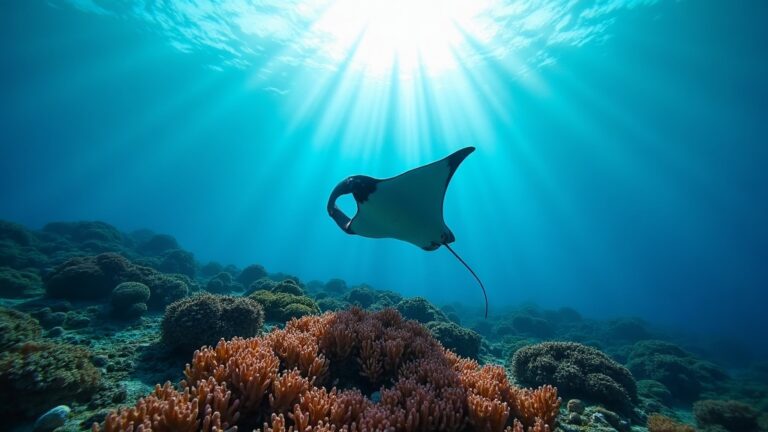
Manta Point, Castle Rock & Batu Bolong: Komodo’s Best Dives
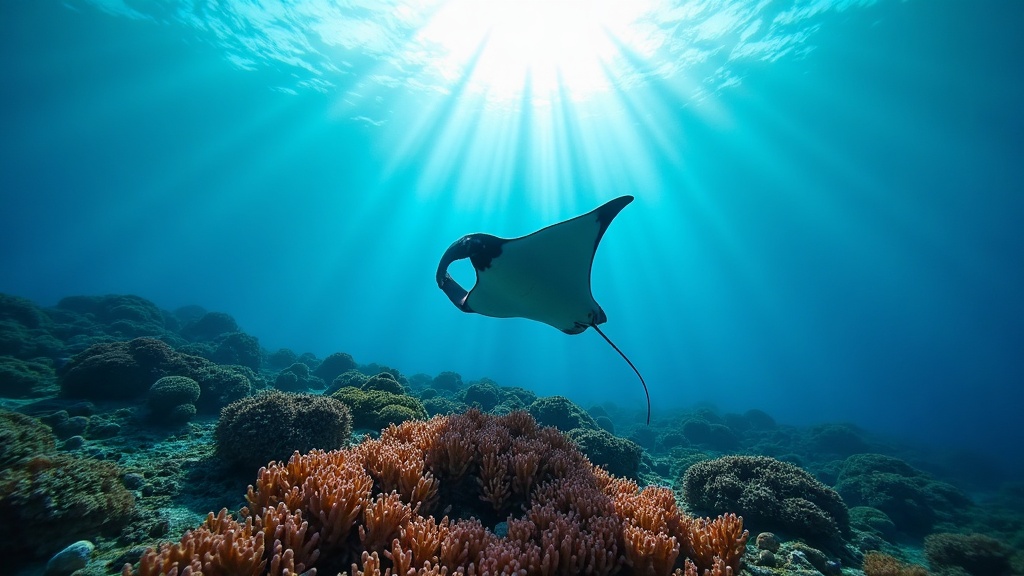
Komodo National Park’s best dive sites are Manta Point (Karang Makassar), Castle Rock, Crystal Rock, Batu Bolong, Siaba Besar and the Tatawa islands. Between them they cover every level of diver — from gentle turtle dives to current-swept pinnacles — and all sit within a day’s reach of Labuan Bajo, on the western tip of Flores.
The Big Six at a Glance
Six sites account for most of the diving done in Komodo National Park, and each has a distinct character. This table is the short version our dive guides give guests on the first morning briefing.
| Dive site | Depth range | Current | Experience level | Signature encounter |
|---|---|---|---|---|
| Manta Point (Karang Makassar) | 5–18 m | Light–moderate drift | Open Water, ~10+ dives | Reef manta rays |
| Castle Rock | 4–30 m | Strong | Advanced | Schooling jacks, reef sharks |
| Crystal Rock | 3–18 m | Moderate–strong | Intermediate | Soft corals, cleaning stations |
| Batu Bolong | 5–30 m | Split current, strong at the edges | ~20+ logged dives | Vertical reef, turtles, pelagics |
| Siaba Besar | 5–18 m | Light | Beginner | Green turtles, macro life |
| Tatawa Besar | 5–20 m | Moderate drift | Intermediate | Orange soft-coral slopes |
Manta Point (Karang Makassar): Komodo’s Signature Drift
Manta Point is a long, shallow drift over a rubble-and-coral channel where reef mantas gather to feed and be cleaned, with most of the action between 10 and 18 metres. Mantas are seen here year-round, and sightings are most reliable when the site is dived in the calmer morning hours.
The dry months of April–June and September–November combine the best sea state with 20–30 metre visibility and water around 27°C, which is why they remain the sweet spot for this site. The plankton-rich months of December–March bring the largest feeding aggregations — visibility drops, but the manta activity can be extraordinary, especially at the park’s southern stations.
Is it safe for newer divers? Generally yes. The technique is a relaxed drift: you glide with the current, settle low when mantas approach, and let them come to you. We recommend around 10 logged dives before Manta Point and always dive it with a guide who reads the current on the day. Snorkeling here is a genuine alternative for non-divers — the mantas feed near the surface, and surface visibility usually mirrors what divers see below.
Castle Rock vs Crystal Rock: The Northern Pinnacles
Castle Rock is the advanced dive of the pair: a submerged seamount whose top sits about four metres below the surface, swept by strong current that draws schooling jackfish, barracuda and patrolling reef sharks. Crystal Rock, a few minutes away, offers a slightly gentler version of the same show, with soft-coral gardens and a sweet spot around 18 metres.
At Castle Rock, expect a negative entry and a hook-in at the current point while the big fish parade past — it rewards divers who are comfortable in moving water and is best left until you are. Crystal Rock suits a wider range of certified divers: the current is more forgiving, the coral cover is denser, and its cleaning stations attract sharks and turtles at a pace you can actually photograph.
- Choose Castle Rock if you are an experienced diver chasing big-fish action in strong current.
- Choose Crystal Rock if you want the northern pinnacle experience with gentler conditions and richer coral.
- Best answer: dive both on the same day — most northern itineraries pair them.
Batu Bolong: A Vertical Reef in the Lintah Strait
Batu Bolong is a tiny rock in the Lintah Strait whose underwater walls drop past 30 metres, packed with the densest coral and fish life in the park. It is rated moderate to challenging: the current splits around the rock, so the entire dive happens on the protected lee side, working up in a zigzag.
We recommend a minimum of about 20 logged dives here, purely because of how the current behaves at the edges of the shelter zone — drift past the corner and the dive is over. Stay inside the lee, though, and Batu Bolong is astonishing: clouds of anthias over hard coral, hunting trevally, turtles, and the occasional passing tuna in the blue. Many guests call it their best dive in Komodo, ahead of even the mantas.
Siaba Besar & the Tatawa Islands: The Gentler Days
Not every day in Komodo needs to be a current dive, and these three sites are the proof. Siaba Besar is a sheltered, sandy-bottomed bay nicknamed “Turtle City” — light current, 5–18 metres, and so many resting green turtles that guides stop counting.
Siaba doubles as the park’s best check dive and macro site: seahorses, nudibranchs and octopus live in the seagrass and coral heads. Tatawa Besar is a classic drift over slopes of orange soft coral — easy, fast and beautiful — while its little sister Tatawa Kecil is the opposite: a compact, current-swept site for advanced divers only, dived when conditions allow. Together they give a liveaboard or day-boat itinerary its rhythm: big sites in the morning, gentle sites in the afternoon.
Month by Month: Water, Visibility & Current
Komodo is a year-round dive destination, but conditions swing with the seasons: the dry months of April–November bring the calmest seas in the central and northern park, while July–August winds add current and chop. This table summarises what our crews log across the sites above.
The park also has a north–south rhythm worth knowing. When the southeast trade winds blow in July and August, the northern pinnacles stay diveable while the south gets rough; in the wet season the pattern flips, and the plankton-rich southern bays come into their own for manta encounters. A good itinerary simply follows that rhythm — which is why the same six sites can feel like different dives in different months.
| Month | Water temp (°C) | Visibility (m) | Current |
|---|---|---|---|
| January | 29 | 15–20 | Moderate |
| February | 28 | 20–25 | Light |
| March | 28 | 20–30 | Moderate |
| April | 27 | 20–30 | Light |
| May | 26 | 25–30 | Light |
| June | 26 | 20–30 | Moderate |
| July | 26 | 20–25 | Strong |
| August | 25 | 20–25 | Strong |
| September | 25 | 20–30 | Moderate |
| October | 26 | 20–30 | Moderate |
| November | 27 | 20–30 | Light |
| December | 28 | 20–25 | Moderate |
Planning a dive-focused trip? Tell us your certification level and travel dates on WhatsApp +62 811 3823 875 or at [email protected], and we will match the sites to the season for you.
How to Dive Them: Day Trips or Multi-Day at Sea
There are two ways to dive these sites: day trips from Labuan Bajo, which reach Manta Point, Batu Bolong and Siaba comfortably, or a multi-day boat that anchors inside the park and reaches Castle Rock and Crystal Rock at first light, before the day fleet arrives. Our full guide to Komodo diving compares both formats site by site.
Voyages are operated with our sister company Komodo Luxury — a fleet of 9 owned vessels supported by a network of 200+ partner boats, rated 4.9/5 by more than 1,500 guests and named Tripadvisor Travelers’ Choice 2025 & 2026. For divers who want the northern pinnacles at dawn and the southern manta stations in a single itinerary, a private Flores liveaboard is the format that makes it possible: your cruise director builds the route around the current tables, not a fixed schedule.
Park Fees & Booking
Every diver and snorkeler entering Komodo National Park needs an entry ticket of IDR 650.000 per person (dated ticket), which we arrange as part of your trip paperwork. Dive trips, courses and charter routes are priced to your group size and dates — see the current options on our Komodo diving trips page, and we will send a tailored quote within 24 hours.
To start planning, message us on WhatsApp +62 811 3823 875 or email [email protected] with your dates, group size and certification level.
Frequently Asked Questions
What is the best month for diving at Manta Point?
Reef mantas are seen at Manta Point year-round. April–June and September–November offer the best combination of calm seas and 20–30 metre visibility, while the plankton-rich months of December–March bring the largest feeding aggregations, with reduced visibility.
Is Manta Point safe for beginner divers?
Yes, with a guide. Manta Point is a light-to-moderate drift dive with most of the action between 10 and 18 metres. We recommend around 10 logged dives first, and morning slots when the current is usually calmer.
How many logged dives do I need for Batu Bolong?
Around 20 logged dives is the sensible minimum. The current splits around the rock, so the whole dive stays on the protected lee side — your guide keeps the group inside the shelter zone and works up the reef in a zigzag.
Which is better, Castle Rock or Crystal Rock?
Castle Rock is the advanced choice: strong current, schooling jacks, barracuda and reef sharks. Crystal Rock is gentler, with dense soft corals and cleaning stations, and suits a wider range of certified divers. Most northern itineraries dive both on the same day.
Can snorkelers see the mantas at Manta Point?
Yes. The mantas at Karang Makassar often feed close to the surface, so snorkeling from the boat is a genuine option for non-divers and families — many mixed groups run divers and snorkelers on the same drift.
How much is the Komodo National Park entry fee for divers?
The park entry ticket is IDR 650.000 per person (dated ticket), required for divers and snorkelers alike. We arrange it as part of your trip paperwork so it is valid for the exact dates you are inside the park.
Keep Reading
Uncategorized
Flores to Komodo Route Planning: Luxury Charter Guide 2026
The most efficient luxury route into Komodo runs through Labuan Bajo's Komodo Airport: fly in via Jakarta or Bali, sleep…

Uncategorized
Honeymoon in Flores & Komodo: Private and Secluded
A honeymoon in Flores and Komodo means a private phinisi with its own crew and chef, empty pink-sand beaches, Komodo…

Uncategorized
Getting to Labuan Bajo from Bali, Jakarta & Beyond
The fastest way to get to Labuan Bajo is a direct flight into Komodo Airport: about 90 minutes from Bali,…